Modern advances in roofing turn old-style conservatories from seasonal add-ons into true home extensions that work all year in the UK’s damp and windy climate. This shift boosts comfort, cuts energy costs, and adds real value to properties, making conservatories a smart choice for growing families or home workers.
Evolution from Glass to Smart Systems
Old glass roofs trapped heat in summer and let cold seep in during winter, leaving spaces unused half the year. Today’s designs fix that with layered tech that balances light, warmth, and strength. Homeowners now expect rooms that match the main house in feel, not just looks.
New builds and upgrades blend roofs seamlessly with existing structures. This evolution started with basic polycarbonate swaps but exploded with solid panels that mimic house tiles. UK homes gain flexible spaces for offices, gyms, or dining without weather worries.
Key Features of Modern Conservatory Roof Technology
Lightweight Tiled Roofs for Easy Fits
These use slim tiles over metal trays that weigh a third of traditional slates. They slot onto old frames without major reinforcements, ideal for 20-year builds. Strong against 110mph winds, they shrug off hail and heavy snow common in northern England.
Styles range from grey moderns to clay classics that blend with bungalows or semis. Self-cleaning glazes shed dirt, cutting upkeep to hose rinses twice yearly.
Insulated Conservatory Roof Systems Explained
Multi-layer insulation sits above the structure, trapping air pockets that block 90% of heat loss. Foam cores with foil faces reflect warmth back inside, keeping rooms at 20°C even in -5°C snaps. Vapour barriers stop condensation that rots old wooden sills.
U-values drop to 0.12 W/m²K, better than most walls, slashing heating bills by 30%. Summer solar coatings bounce UV rays, capping peaks at 26°C without blinds.
Hybrid and Glass Upgrades
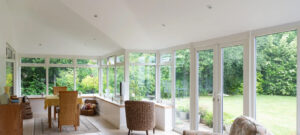
Hybrid roofs mix solid panels with glazed lantern sections for light floods without glare. Central glass rises like a pyramid, channeling sun deep into bigger spaces. Solar-control glass uses tiny coatings to filter heat while passing 70% visible light.
Triple glazing fills with argon gas for extra seal. Self-cleaning versions break down grime with UV, rinsing clean in rain. These suit light lovers who want views but hate upkeep.
Smart Tech Integration
App-linked sensors track humidity and temp, opening vents auto before stuffiness builds. Voice controls dim electrochromic glass from clear to tint in seconds. Heat pumps tie into roofs for silent warming, syncing with home systems.
LED strips embed in panels for dusk glow without glare. Rain detectors close skylights fast. These features make conservatories smart hubs, not just sun traps.
Energy Savings and Sustainability Gains
Old roofs leak 70% treated air; modern ones hold it, paying back costs in 3-4 years via £250 yearly heat savings. Solar-ready panels prep for PV tiles that generate power, feeding bills or EVs. Recycled composites cut embodied carbon by 40%.
Low-emission installs qualify for green grants in some councils. Long 50-year spans mean less waste than patching glass every decade.
Boost to Home Extensions and Lifestyles
Conservatories expand living space by 20-30 sqm without full rebuilds. New roofs create seamless flows to kitchens or lounges, zoned for work-play shifts. Noise drops 80%, rain patters soft outside.
Insulation lets plants thrive year-round, turning spots into green retreats. Families use them daily, not just sunny spells. Property agents note 7-12% value lifts post-upgrade.
The Conservatory Roof Replacement UK Boom
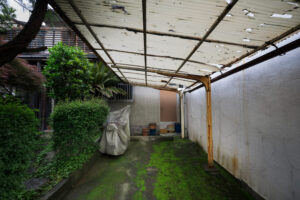
Over 100,000 UK homes swap roofs yearly as energy prices bite. Tiled solids lead at 60% uptake, hybrids 25%. Demand peaks in south-east where semis cram gardens but crave space. If it is too much old, it’s time to replace the conservatory roof to enhance your home aesthetic value.
Firms report 40% repeat work from referrals. Government pushes via EPC upgrades favor efficient roofs. Winter installs save 15% off peak quotes.
Installation Made Simple
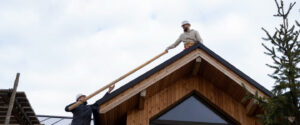
Surveys use lasers for pitch-perfect fits in one visit. Jobs wrap in 5 days: strip old, brace frame, layer insulation, tile over. No foundations needed, bolts tap walls.
Scaffolds hug shapes tight, skips recycle 85% waste. Mild disruption: dust sheets protect indoors, power dips minutes only.
Cost Breakdown and Return on Investment
Entry systems start at £5,500 for 15 sqm, hybrids £8,000, full smart £12,000. Tiles cost more upfront but save £300/year. Add skylights £1,000, wiring £800.
ROI hits fast: comfort alone worth it, plus sales boost. Finance spreads over 5 years at 0% via some providers.
Design Trends Shaping UK Homes
Slate-effect tiles match period homes; matte blacks suit new-builds. Curved lanterns add drama over orangery links. Bi-fold vents blend air flow.
Colors tie to trends: earthy terracottas warm spaces, cool charcoals modernize. Personalization rules, match fascias or go bold contrast.
Fitting into Planning Rules
Most fall under permitted development, no council nods if under 4m high. Listed areas need heritage tiles. Pros handle paperwork, speeding approvals.
South-facing solar glass aids eco credentials for planners.
Why Now’s the Time for UK Homeowners
Rising bills and net-zero goals push upgrades. 2026 sees warmer roofs standard in new regs. Early adopters enjoy grants before cuts.
Transform unused glass boxes into heart-of-home stars.
Future-Proofing Your Extension
Modular panels swap for tech upgrades. IP67 seals fend gales. Fire-rated cores meet strict codes.
Pair with floor insulation for full efficiency. Homes future-proof against wilder weather.
Modern tech redefines extensions as vital living zones. UK houses stretch smarter, greener, comfier, embrace the change.