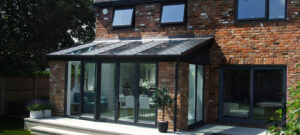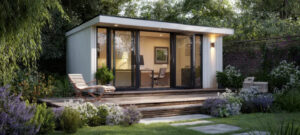

Conservatories are a familiar sight on British homes, and that is true on the Suffolk coast as much as anywhere. In Lowestoft they soak up sea light and garden views, while in Ipswich they give older town houses a bright extra room. The trouble is that many conservatories built 10 to 30 years ago now have tired roofs. They leak, they run too hot or too cold, and they push energy bills up. This guide explains why conservatory roofs fail in Lowestoft and Ipswich, how roof failure increases energy costs, which conservatory roof maintenance habits are worth keeping, and when a proper replacement is the smarter move.
The Anatomy of Conservatory Roof Failure
Most older conservatory roofs use polycarbonate sheets or single-glazed glass held by aluminium bars. They were designed to let light in, so durability and insulation came second. Sun, temperature swings, wind and moisture slowly wear the whole system down, and one small fault tends to trigger the next.
UV Degradation and Material Fatigue
Polycarbonate yellows and turns brittle after roughly 10 to 15 years in daylight. Along the Lowestoft seafront the wind is a constant, and those tiny surface cracks can grow into full splits during a winter gale. In Ipswich, road grime and traffic film build up on the panels and dull them faster. Glass roofs suffer too. Coatings go hazy, seals fail, and the room gets darker while water finds a way in.
Thermal Expansion and Contraction
Across a year, a conservatory roof can swing through a huge range of temperatures. Panels and bars expand and shrink at different speeds, so the glazing bars loosen, panels bow and seals give up. Cold sea air off the North Sea makes those swings sharper for Lowestoft homes, while south-facing Ipswich gardens can bake the roof in July before a cool night undoes it.
Read More: Conservatory Roof Replacement Great Yarmouth
Seal and Gasket Breakdown
Rubber and EPDM seals harden and crack after about 7 to 10 years, letting in air and water. Salt in coastal air is hard on aluminium frames, so corrosion often starts around Lowestoft roof bars first. In older Ipswich terraces, damp air near ground level does similar damage. Once a seal fails, this is usually the moment homeowners start asking, “why is my conservatory roof leaking?”
Common Failure Modes You Might Spot in Lowestoft and Ipswich
Leaks and Water Damage
A pinhole drip after rain seems harmless, yet it tends to grow. Water rots timber cills, swells flooring and feeds black mould. Rain driven in off the coast reaches roof joints on exposed Lowestoft homes quickly, and blocked or worn gutters on Ipswich houses can overwhelm a tired roof during a heavy shower. If your conservatory roof leaks in heavy rain, treat it as a warning sign, not a nuisance.
Heat Loss and Condensation
An uninsulated roof loses heat fast. Old roofs can have U-values above 5.0 W/m²K, compared with about 0.18 for a modern insulated system. That is where how roof failure increases energy costs becomes obvious: 50 to 70% of a conservatory’s heat can escape through the roof, which can mean 20 to 40% more heating. Warm, damp air then meets cold surfaces, and condensation drips or pools on the frame. In summer the same roof does the opposite, and the room gets too hot to sit in.
Noise Amplification
Thin polycarbonate turns rain into drumming, often in the 70 to 90 dB range, and wind whistles through gaps. Ipswich homes near busy roads hear traffic through the glazing, and coastal Lowestoft homes hear the weather all winter.
Structural Compromise
Panels can sag or creep, and frames can buckle under wind and snow. In the worst cases glass cracks or polycarbonate splits, which is a genuine safety risk for anyone sitting underneath.
How Roof Failure Increases Energy Costs
An ageing roof works like a sieve for your heating:
- Winter losses: heat escapes about five times faster than through the walls, which can cost £200 to £500 extra each year in heating.
- Summer overheating: solar gain calls for fans or air conditioning, adding around £100 to £300.
- Hidden repair costs: damp treatment from £500, mould remediation from £1,000 and frame replacement from £2,000.
Lowestoft homes tend to lose more through draughts, while Ipswich homeowners often fight summer heat and traffic noise. Regular conservatory roof maintenance slows the decline, but it does not stop it. A proper replacement can bring roughly 60 to 80% better efficiency, with a payback in about 3 to 6 years.
Read More: Conservatory Roof Replacement Bury St Edmunds
Essential Conservatory Roof Maintenance Strategies
A little steady care makes a roof last longer:
Annual Inspections
Look at seals, fixings and gutters every quarter, and book a professional check every two years. You are looking for cracks, movement and discolouration.
Cleaning Protocols
Wash gently twice a year to remove salt spray (Lowestoft) or traffic grime (Ipswich). Avoid abrasive pads and harsh chemicals.
Seal Refreshment
Re-apply silicone every 3 to 5 years. A DIY tube and an afternoon usually costs £100 to £300 all in.
Ventilation Management
Trickle vents and a dehumidifier help stop condensation, especially in older, damper Ipswich terraces.
Pruning and Gutter Care
Clear leaves monthly so water does not pond on the roof or back up into the frame.
Even with all of this, maintenance usually buys just 2 to 5 more years for a roof that is already failing.
How Long Do Conservatory Roofs Last, and When Is Maintenance Not Enough?
Most polycarbonate roofs give 10 to 20 years before problems show. If you are asking “is it worth replacing a conservatory roof?”, these are the signs that point to yes in Lowestoft or Ipswich:
- The roof is 15 years old or more
- Leaks keep returning after repairs
- Heating bills have climbed by 20% or more
- You can see sagging or cracks
- Mould returns even with good ventilation
Modern Replacement Options and Benefits
Insulated Polycarbonate or Toughened Glass
An entry-level upgrade with better U-values (around 2.0 to 3.0) at a moderate cost.
Solid Tiled Roofs
The premium choice, with U-values as low as 0.12, noise reduction of about 30 dB and a lifespan of up to 50 years. It looks like a house extension rather than a glass box.
Hybrid Systems
Glazed sections sit within insulated panels, so you keep daylight and gain efficiency.
Benefits:
- Energy savings of £300 to £600 a year
- Noise cut by up to 70%
- Far less condensation
- Property value up by as much as 10%
- Warranties of 25 to 50 years on some systems
Regional Considerations: Lowestoft vs. Ipswich
Lowestoft (coastal): Salt corrosion means marine-grade aluminium and protective coatings are worth the extra cost, and wind-rated fixings matter in gales. If you live near the seafront, ask any installer how they deal with salt exposure. Our conservatory roof replacement Lowestoft page explains what we fit and how we approach coastal homes.
Ipswich (town): Older houses and terraces often have tighter access, and damp is more of an issue. Some streets sit in conservation areas, so it is sensible to check with the council first. If that sounds like your property, take a look at our conservatory roof replacement Ipswich page.
The Replacement Process Step-by-Step
- Survey (free): We assess the structure and recommend suitable options.
- Quote: A detailed, itemised price (typically £4k to £15k depending on system and size).
- Preparation: Access is arranged and the space cleared (1 to 2 days).
- Demolition: The old roof comes off safely.
- Reinforcement: The frame is strengthened where needed.
- Installation: The new roof and insulation go on (1 to 3 days).
- Finish: Internal lining and electrics are completed.
- Sign-off: Everything is checked for building regulations compliance.
Disruption is modest, and most families are using the room again within about a week.
Cost Breakdown (2026 Estimates)
| Component | Cost Range (GBP) | Notes |
|---|---|---|
| Materials | £2,500 – £8,000 | Tiled is the highest |
| Labour | £1,500 – £4,000 | 2 to 4 installers |
| Scaffold / Access | £500 – £1,500 | Can be higher for tight or exposed sites |
| Frame works | £0 – £2,000 | Often needed on older frames |
| Total | £4,500 – £15,500 | Average around £8k to £10k |
Return on investment is usually 4 to 7 years through savings and added value.
Long-Term Ownership: Maintenance After Replacement
A new roof needs much lighter conservatory roof maintenance: an annual clean and a check every five years. The warranty covers manufacturing defects.
Conclusion
Aging roofs fail in predictable ways, but homeowners in Lowestoft and Ipswich can step in before the damage gets expensive. Knowing why conservatory roofs fail, keeping up with maintenance and acting on the warning signs limits how roof failure increases energy costs and gives you a comfortable room again. Whether you need coastal-grade protection or a quieter, better-insulated space in town, the right roof pays back for decades.
Ready to talk? Rosy Roof Conservatories can survey your roof and give you a clear quote. We are based at Lower Honeydon Farm, Honeydon, Bedford, MK44 2LR, and you can call us on 07782 796532.