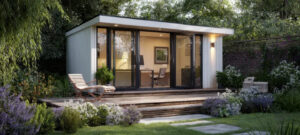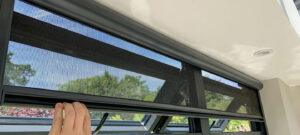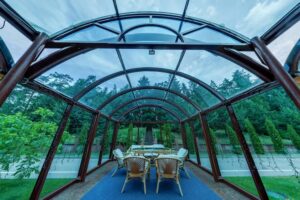

For many homeowners across South Wales, a conservatory is a beloved feature of the home. It is a space designed to bridge the gap between indoor comfort and the natural beauty of your garden. However, older conservatories built with traditional glass or polycarbonate roofs often suffer from a common flaw. They become unbearably hot during the brief summer heatwaves and freezing cold during the long, damp Welsh winters.
If you live in South Wales and find yourself avoiding your extension for most of the year, investing in a replacement conservatory roof Cardiff is the most effective way to reclaim your space. Upgrading your roof transforms a weather-dependent room into a fully functional, year-round living area.
In this comprehensive guide, we will explore the structural, financial, and regulatory shifts impacting conservatory upgrades in 2026. We will also look at how specialist providers like Rosy Roof Conservatories are helping local residents achieve premium thermal comfort without the premium price tag.
The Core Problem with Traditional Conservatory Roofs
To understand why a roof replacement is necessary, it helps to analyze the structural shortcomings of traditional conservatory designs. For decades, standard installations relied heavily on thin polycarbonate sheeting or uninsulated glass panels.
The Greenhouse Effect in Summer
Polycarbonate and standard glass possess minimal filtering capabilities against solar radiation. During the summer months, sunlight penetrates the transparent ceiling, trapping heat within the structure.
Rapid Heat Loss in Winter
Conversely, when the cold South Wales winter sets in, these materials offer virtually no thermal resistance. Heated air from the main house rises naturally and escapes rapidly through the uninsulated roof.
Excessive Noise Pollution
The unpredictable British weather brings plenty of wind and rain to Cardiff. Traditional polycarbonate acts like a drum skin when rain hits it, creating an amplified echoing racket.
Why 2026 is the Year to Upgrade Your Conservatory Roof
The drive toward home modernization in 2026 is fueled by economic and environmental factors. Homeowners are no longer willing to pay for square footage they can only use for a few months out of the year.
Rising Energy Efficiency Standards
According to energy tracking data from the Energy Saving Trust, space heating accounts for over 60% of a typical UK household’s energy consumption.
Boosting Property Value
A home with a fully functional, energy-efficient extension is highly attractive to prospective buyers. Studies by Nationwide Building Society indicate that adding a usable, year-round room or converting an existing structure into a high-quality living space can add up to 5% to 10% to the overall value of a property.
Exploring the Structural Options: Panels vs. Tiled Roofs
When planning an upgrade, homeowners generally choose between two primary modern pathways: a full solid conservatory roof Cardiff system or premium insulated lightweight roof panels. Both offer incredible structural benefits, but they cater to different budgets and design preferences.
Solid and Tiled Roof Systems
A solid tiled roof replaces the old glass or polycarbonate with a timber or lightweight aluminum frame, external tiles, and internal plastering.
- Aesthetics: It gives the extension the appearance of a traditional brick-and-built extension from both the inside and outside.
- Thermal Mass: It offers superb insulation, making the room feel like an authentic part of the house.
- Weight and Cost: These installations are heavy, complex, and typically require a higher financial investment, sometimes costing over £10,000.
High-Performance Insulated Roof Panels
An increasingly popular alternative in 2026 is the utilization of lightweight, ultra-insulated roof panels, such as the German-engineered Stadur panels utilized by Rosy Roof Conservatories.
- Affordable Pricing: These advanced panels deliver the exact same thermal and noise-reduction benefits as a tiled roof but at up to 50% less cost. In fact, roughly 90% of installations managed by Rosy Roof cost less than £5,000.
- Minimal Disruption: Because the panels are designed to fit precisely into the conservatory’s existing structural glazing bars, structural demolition is avoided. Most installations can be completed smoothly within a single day.
- Preserving Natural Light: Unlike a completely dark tiled roof, panel systems can be strategically configured to retain a bright, airy aesthetic without absorbing external heat.
Finding the Right Specialist in Cardiff
A successful conservatory transformation depends entirely on the quality of craftsmanship and materials used. When searching for an installer in Cardiff and South Wales, look for companies that combine specialized local experience with proven product quality.
Rosy Roof Conservatories stands out as a trusted choice across the UK. They bring award-winning service right to South Wales, backing their work with a 10-year manufacturer’s guarantee and a 2-year installation guarantee. Their straight-talking pricing, tidy work ethic, and quick turnaround times mean you can upgrade your home comfortably and without stress.
Conclusion
Your conservatory should not be a storage room or a wasted space that is only usable for a few weeks a year. In 2026, upgrading your conservatory roof is one of the smartest, most cost-effective ways to expand your usable living space, lower your energy bills, and boost your property’s value. Whether you go with a complete solid roof or pick high-efficiency insulated panels, making the change will turn your old extension into a cozy, comfortable room you will love spending time in every single day.