
Search online for a conservatory roof and you’ll find three or four materials all claiming to be the best option. In reality, the right choice depends on your budget, your priorities, and what’s actually bothering you about the room right now.
This comparison breaks down the main options a conservatory roof replacement Lincoln homeowner is choosing between, so you can pick with a bit more confidence than a guess.
Start With the Problem You’re Trying to Solve
Before comparing materials, it helps to name the actual complaint. Is the room too hot? Too cold? Noisy in the rain? Just looking worn and dated?
Different roofing materials solve different problems better than others. A roof chosen purely on price, without matching it to the real issue, often disappoints six months later.
Option 1 — Insulated Composite Panels
These panels, including the Stadur system Rosy Roof Conservatories installs most often, use a solid insulating core sandwiched between two protective layers. They’re lightweight enough to fit onto most existing frames without extra structural support, which is why this is the material behind most conservatory roof upgrade Lincoln bookings each month.
Strengths: strong thermal performance, quick to install, and noticeably quieter in the rain than older materials.
Watch for: fewer glazed sections mean slightly less natural light than a full glass roof.
Option 2 — Tiled Roofing
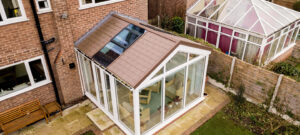
A tiled roof gives a conservatory the look and feel of a proper extension rather than a bolt-on room. It’s the heaviest option on this list and usually the most involved to fit, since the existing frame needs to be checked for load capacity first.
Strengths: excellent insulation and a finish that blends with the rest of the house.
Watch out for higher cost, longer installation time, and that it’s not always possible on every frame type.
Option 3 — Glass Roofing With a Low-E Coating
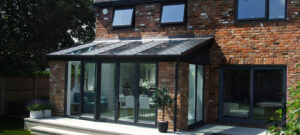
Modern glass roofs use a low-emissivity coating that reflects heat back into the room in winter and blocks excess solar heat in summer, while keeping the airy, light-filled character conservatories are known for.
Strengths: This option allows for maximum natural light and is a popular choice for those who initially chose a conservatory for the view.
Watch out: even with a good coating, glass rarely insulates quite as well as a solid panel or tiled roof.
Side-by-Side: What Each Option Costs You in Time and Money
As a rough guide, insulated panels are usually the fastest and most affordable route to a warmer room, tiled roofs sit at the top end for both cost and installation time, and glass roofs land somewhere in the middle, depending on the coating and glazing specification chosen. Whichever direction you lean, an insulated conservatory roof Lincoln quote should always break these figures down material by material, not as one bundled number.
Most jobs Rosy Roof completes, regardless of material, wrap up in one to three days, and the majority come in under five thousand pounds all in.
Matching the Option to Your Home
A conservatory roof upgrade Lincoln households request most often is the insulated panel route, largely because it solves temperature problems quickly without a lengthy build. Older or listed properties sometimes lean toward tiled roofs for a look that matches the main house. Anyone who specifically loves the light-filled feel of their conservatory tends to gravitate toward glass with a Low-E coating.
There’s no single correct answer here. The right pick depends on what you’d miss most if it disappeared: the light, the low cost, or the traditional finish.
Getting a Fair, Comparable Quote
When you’re weighing up an insulated conservatory roof Lincoln suppliers offer against tiled or glass alternatives, ask each company for the same details: material, expected completion time, and what’s covered under guarantee.
Every Rosy Roof installation includes a ten-year manufacturer warranty on the roofing material, along with two further years of cover on the fitting itself, so you’re comparing like with like rather than guessing.